Sous Vide vs Boiling
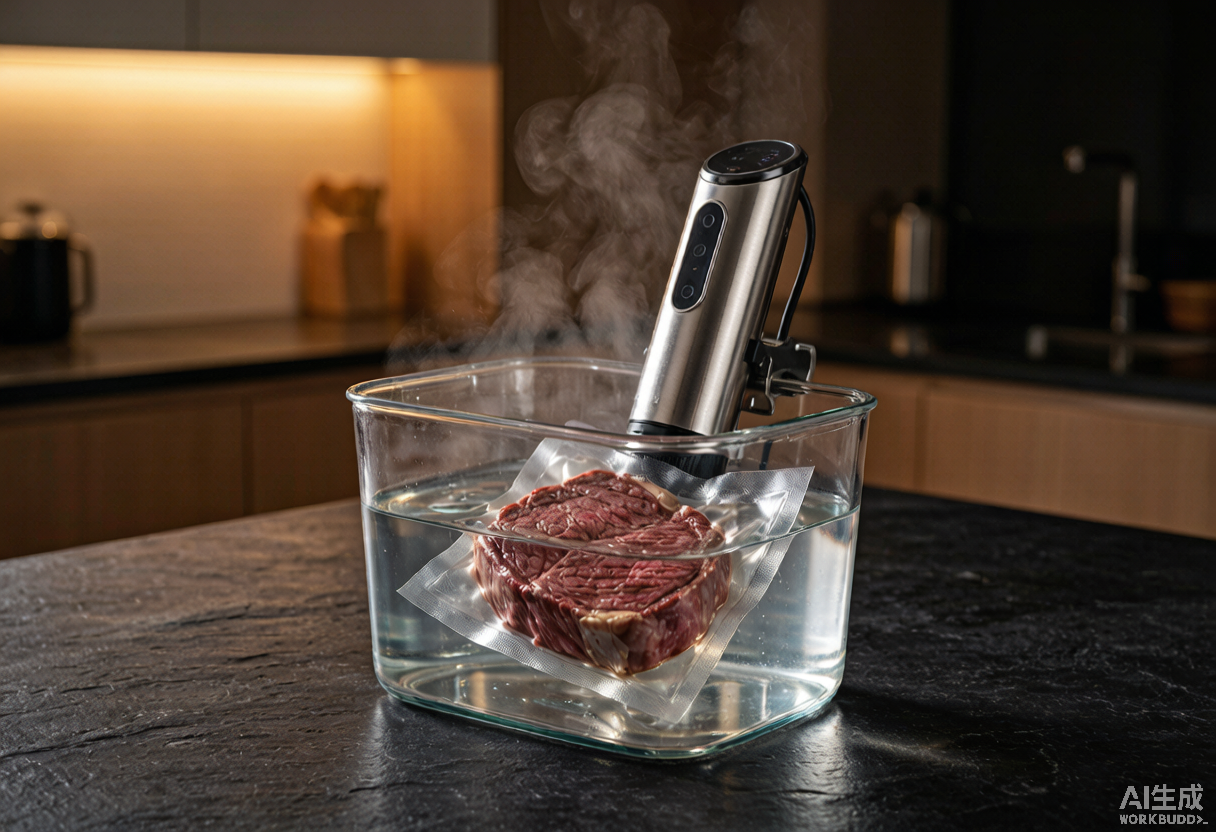
Boiling is the most common way to cook — water at 212°F (100°C) surrounding the food. Sous vide replaces that with a precisely controlled bath at whatever temperature you choose. The difference isn't just temperature: sous vide circulates water for even heat, and can hold 130°F for hours. Boiling is fast and simple; sous vide is precise.
Our top pick
Anova Precision Cooker 3.0
Precision circulator holding any temperature within ±0.1°C — the opposite of a rolling boil.
Free shipping on eligible Amazon items · 30-day easy returns · you earn on anything bought within 24h
As an Amazon Associate we earn from qualifying purchases.
Quick comparison
| Pick | Why we like it | |
|---|---|---|
| Anova Precision Cooker 3.0 | Precision circulator holding any temperature within ±0.1°C — the opposite of a rolling boil. | View → |
| Large Stockpot | The classic boiling vessel — fast, simple, and universal. | View → |
Anova Precision Cooker 3.0
Editor’s PickPrecision circulator holding any temperature within ±0.1°C — the opposite of a rolling boil.
- + Exact temperature
- + Even circulation
- + Edge-to-edge doneness
- − Slower
- − Needs gear
Free shipping on eligible items
The classic boiling vessel — fast, simple, and universal.
- + Fast
- + Simple
- + No gear needed
- − Overcooks edges
- − No precision
- − Leaches flavor
Free shipping on eligible items
Buying advice
Sous vide for proteins and delicate items — steak, chicken, fish, eggs — where exact doneness matters. Boiling for pasta, potatoes, and anything you want fast and simple. Boiling a steak is a great way to ruin it; sous viding pasta is a great way to waste time. Use each method for what it's best at.
FAQ
Why is sous vide better for meat?
It holds the exact target temperature, so the whole cut cooks edge-to-edge to the same doneness. Boiling blasts the outside to 212°F while the center climbs — dry edges, undercooked middle.
Does boiling leach flavor?
Yes — water-soluble flavors and nutrients dissolve into the water. Sous vide seals everything in the bag.
Is sous vide always better?
No — for pasta, rice, and vegetables you want fast and flavorful, boiling (or steaming) wins. Sous vide shines on proteins.
How does sous vide work?
A circulator heats and stirs the water to a precise temperature, and the sealed food cooks in the bag until it reaches that temperature — then holds perfectly.
Can I use boiling water with sous vide?
You could hold food in 212°F water, but that's just boiling — the whole point of sous vide is choosing a lower, precise temperature.
Ready to cook perfectly?
Our top pick for this guide — check today’s price and clip any on-page coupon on Amazon:
Anova Precision Cooker 3.0
Precision circulator holding any temperature within ±0.1°C — the opposite of a rolling boil.
As an Amazon Associate we earn from qualifying purchases.
Want exact temps and times? Use our free sous vide calculators.